Hair Care
The Hidden Impact: Understanding the Side Effects of Hair Dye
16 October 2026 · Deadmansstory
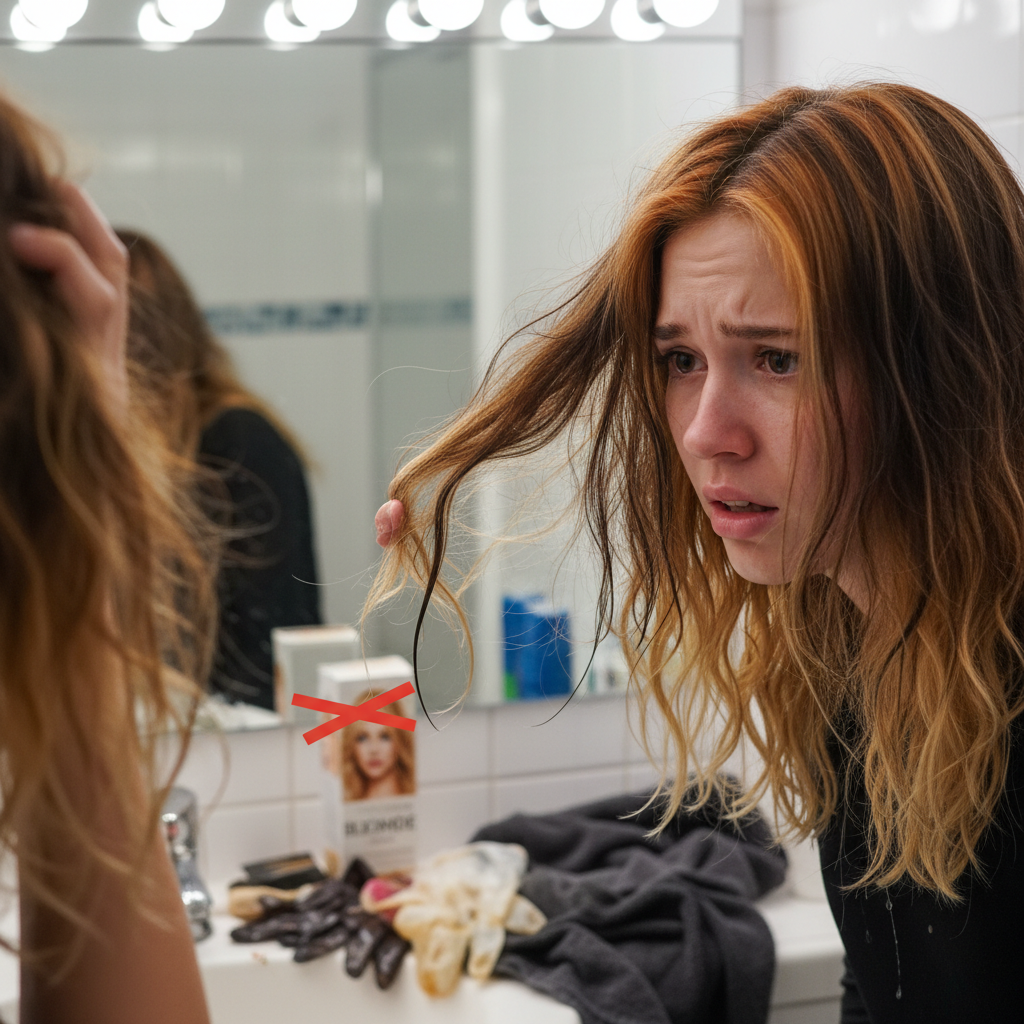
Understand the potential side effects of hair dye, from dryness to scalp irritation, and learn how professional care can protect your hair's health.
Hair coloring is an art form that allows for self-expression, confidence boosts, and a touch of personal flair. However, as beauty professionals at UDDIPAN Professional Salon, we believe that informed choices lead to the healthiest hair. While modern formulations have come a long way, it is essential to understand the potential side effects of hair dye to maintain the integrity of your tresses.
The Chemistry Behind the Color
To understand why side effects occur, we must first look at how hair dye works. Permanent hair color functions by opening the hair cuticle—the protective outer layer—using an alkaline agent like ammonia. Once the cuticle is lifted, hydrogen peroxide enters the hair shaft to decolorize the natural pigment (melanin) and deposit new color molecules. This process, while effective for long-lasting results, fundamentally alters the hair’s structure. When this chemical balance is pushed too far or performed too frequently, the hair can suffer.
1. Hair Dryness and Brittleness
The most common side effect of hair dye is a change in texture. Because the coloring process involves lifting the cuticle, the hair often loses its ability to retain moisture. Over time, the hair may feel straw-like, frizzy, and lose its natural shine. This is particularly prevalent in those who opt for dramatic lightening, such as transitioning from dark brunette to platinum blonde. Without a dedicated post-color ritual involving deep conditioning and protein treatments, the hair becomes prone to breakage and split ends.
2. Scalp Irritation and Chemical Sensitivity
The skin on our scalp is highly absorbent and sensitive. Many hair dyes contain Paraphenylenediamine (PPD), a common allergen used to make dark shades last longer. Even if you have colored your hair for years without issue, a sudden sensitivity can develop. Symptoms of scalp irritation include redness, itching, a burning sensation, and in some cases, flaky skin that mimics dandruff. At UDDIPAN, we always recommend a patch test 48 hours before any color service to ensure your skin reacts favorably to the specific formulation.
3. Allergic Reactions
Beyond simple irritation, some individuals may experience a true allergic reaction to hair dye. This can manifest as swelling around the eyes, ears, or forehead. In rare and severe cases, a systemic reaction known as anaphylaxis can occur. This underscores the importance of choosing professional-grade products and consulting with experienced stylists who can identify early signs of a reaction and provide alternative, ammonia-free, or PPD-free options.
4. Compromised Hair Elasticity
Elasticity is the hair's ability to stretch and return to its original shape without breaking. Chemical processing breaks down the disulfide bonds within the hair cortex. When these bonds are weakened, the hair loses its "bounce." You might notice that your hair snaps easily when brushing or feels "mushy" when wet. This is a sign of significant structural damage, often caused by over-processing or overlapping color on previously treated sections.
5. Potential for Hair Thinning
While hair dye does not typically cause hair to fall out from the root (unless there is a severe chemical burn to the follicle), it can lead to "chemical breakage." If the hair shaft is weakened enough by repeated coloring, it may snap off near the scalp, leading to a thinner appearance. Furthermore, certain harsh chemicals can cause inflammation of the scalp, which may temporarily disrupt the natural hair growth cycle.
6. Respiratory Issues and Sensitivities
The fumes from ammonia and other volatile organic compounds (VOCs) found in traditional hair dyes can be irritating to the respiratory system. For individuals with asthma or pre-existing respiratory sensitivities, the inhalation of these fumes in a poorly ventilated space can cause coughing, wheezing, or throat irritation. This is why professional salons prioritize high-quality ventilation systems and increasingly offer low-odor or ammonia-free alternatives.
7. Skin Discoloration
While not a long-term health risk, skin staining is a common nuisance. The pigments in hair dye are designed to be permanent, and they can easily stain the hairline, ears, and neck. While professional stylists use barrier creams to prevent this, DIY home kits often result in stubborn patches of color on the skin that can take several days—and harsh scrubbing—to remove.
The Importance of Professional Intervention
Many of the side effects associated with hair dye stem from "box colors" or improper application at home. Home kits are often formulated with higher concentrations of chemicals to ensure they work on a wide variety of hair types, whereas professional stylists customize the developer strength and formula based on your specific hair health.
At UDDIPAN Professional Salon, we mitigate risks by:
- Analyzing Hair Porosity: We assess your hair’s current state before applying chemicals.
- Using Bond Builders: We incorporate treatments like Olaplex or similar bond-repairing technology into the color mixture to protect the hair’s internal structure.
- Precision Application: Ensuring that color is not overlapped on previously sensitized hair.
- Expert Aftercare: Providing a roadmap for at-home care, including sulfate-free shampoos and UV protectants.
How to Minimize Side Effects
If you love your color but want to protect your hair, follow these professional tips:
- Space Out Your Appointments: Try to wait at least 6 to 8 weeks between full-color sessions to allow the hair to recover.
- Prioritize Moisture: Use a weekly hair mask rich in natural oils and ceramides.
- Go Ammonia-Free: Inquire about modern, oil-based delivery systems that color the hair without the harshness of ammonia.
- Protect Your Scalp: Avoid washing your hair for 24-48 hours before a color appointment. The natural oils act as a protective barrier for your scalp.
Conclusion
The side effects of hair dye are manageable when approached with care, expertise, and high-quality products. Color should enhance your beauty, not compromise your hair’s health. By understanding the risks and choosing professional guidance, you can enjoy vibrant, lustrous color while maintaining the strength and integrity of every strand.
Visit UDDIPAN Professional Salon in Kolkata for a personalized consultation. Our experts are dedicated to giving you the look you desire with the safety and care your hair deserves.